Introduction to the Dead Sea Scrolls
The Dead Sea Scrolls represent one of the most significant archaeological discoveries of the 20th century, igniting scholarly interest and public fascination alike. These ancient manuscripts were unearthed between 1947 and 1956 in a series of caves located at Qumran, adjacent to the Dead Sea. The circumstances surrounding their discovery were serendipitous, occurring when a Bedouin shepherd stumbled upon the first scrolls while searching for a lost goat. Following this initial find, subsequent excavations revealed a trove of over 900 scrolls, now scattered across various institutions and collections worldwide.
Dating back to the Second Temple period, approximately from 200 BCE to 70 CE, the Dead Sea Scrolls contain a diverse collection of texts, including biblical manuscripts, sectarian writings, and apocryphal documents. They provide unparalleled insights into the religious practices, beliefs, and community life of the Jewish sect that inhabited Qumran, likely the Essenes. This community is often associated with a monastic lifestyle, emphasizing piety and the preparation for an apocalyptic event.

The significance of the Dead Sea Scrolls in the study of ancient Judaism and the early development of Christianity cannot be overstated. They offer crucial evidence regarding the textual variations of the Hebrew Bible and illuminate the religious landscape during a formative period for both faiths. Scholars utilize these texts to understand better the evolution of biblical interpretations, the diversity of Jewish thought at the time, and the socio-political factors influencing early religious movements. The preservation of these manuscripts in the arid climate of the region has allowed modern scholars to engage with them significantly, fostering ongoing research and exploration into their origins and implications.
Content and Significance of the Scrolls

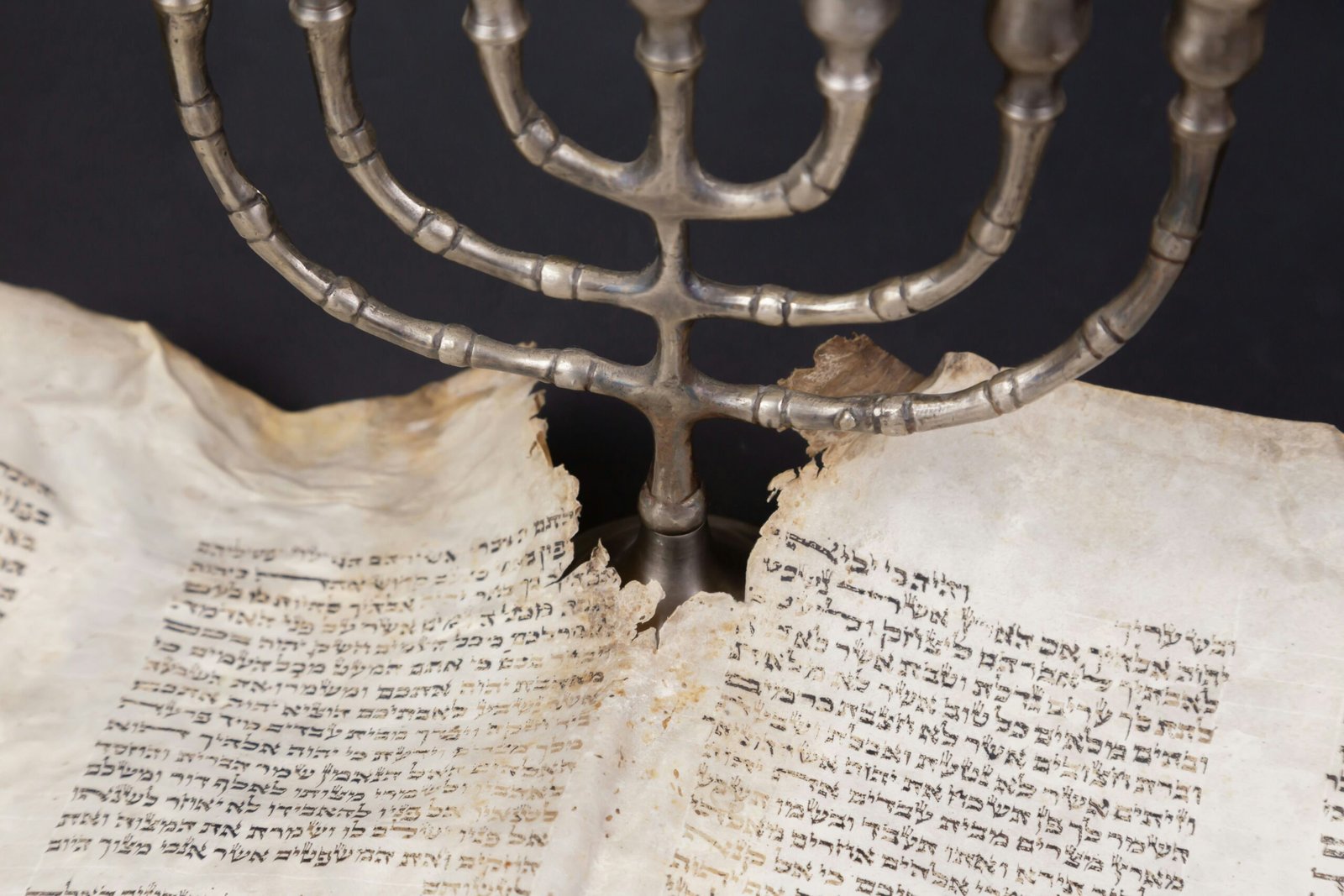
The Dead Sea Scrolls comprise a diverse collection of ancient manuscripts that have significant implications for both historical and religious scholarship. These texts can be broadly categorized into three main groups: biblical manuscripts, apocryphal writings, and sectarian texts. Among the most renowned of these artifacts is the Great Isaiah Scroll, which stands as one of the earliest and most complete copies of the Book of Isaiah. Its preservation offers invaluable insights into the textual history of biblical literature and the religious practices of the time.
Biblical manuscripts, such as the Great Isaiah Scroll, illustrate the variations and consistencies within the Hebrew Bible, thereby contributing to our understanding of scriptural transmission and authority. The scrolls also include copies of texts from various books of the Bible, providing scholars the opportunity to examine the development of biblical canon and interpretative practices among ancient Jewish communities.
In addition to biblical texts, the apocryphal writings found among the Dead Sea Scrolls represent theological and narrative traditions that were prevalent during the Second Temple period. These works, which were not included in the canonical texts, reflect the broader landscape of religious thought and reveal alternative beliefs that coexisted with mainstream Judaism. Examples of these writings include the Songs of the Sabbath Sacrifice and the Thanksgiving Hymns, which offer a glimpse into the devotional life and spiritual aspirations of the community associated with the scrolls.
Finally, sectarian texts shed light on the unique beliefs and practices of the Essenes, the sect theorized to have authored the Dead Sea Scrolls. These documents, such as the Community Rule and the War Scroll, delineate the community’s structure, rituals, and theological positions. Through close examination of these writings, researchers gain crucial insights into the social dynamics and religious ideologies that characterized this early Jewish group, ultimately contributing to the understanding of the evolution of Jewish theology.
Impact on Biblical Scholarship and Religious Understanding

The discovery of the Dead Sea Scrolls has significantly reshaped the landscape of biblical scholarship and religious studies. Dating back to the third century BCE to the first century CE, these ancient manuscripts have provided scholars with a wealth of material that enhances our understanding of the Hebrew Bible. The findings have been particularly transformative in the realm of textual criticism, allowing scholars to compare the Scrolls against the Masoretic Text, the authoritative Hebrew scripture formed in the Middle Ages. This comparison reveals variations and offers insights into how biblical texts were transmitted and edited over time.
Moreover, the Dead Sea Scrolls have illuminated historical aspects of biblical narratives, particularly concerning their authenticity. The texts shed light on the socio-political and religious climate of Second Temple Judaism, offering contextual background that was previously underexplored. This understanding is crucial for scholars attempting to ascertain the historical accuracy of the events depicted in the Hebrew Bible, thereby facilitating a more nuanced interpretation of these texts.
Additionally, the implications of the Dead Sea Scrolls extend to the New Testament. The manuscripts contain writings that are contemporaneous with early Christian texts, leading to intriguing discussions regarding the origins of Christian thought and its relationship with Jewish traditions. Scholars have noted parallels within the Scrolls that resonate with themes found in the New Testament, suggesting a shared intellectual and spiritual heritage. This connection has encouraged a deeper exploration of early Jewish theology, showing how these beliefs may have shaped the nascent Christian faith.
In sum, the impact of the Dead Sea Scrolls on biblical scholarship and religious understanding is profound. By providing critical insights into the textual evolution of sacred scriptures and contextualizing religious narratives, these manuscripts have opened new avenues of research and dialogue in both fields, fostering a richer comprehension of faith traditions.
Continuing Research and Future Discoveries

The ongoing research regarding the Dead Sea Scrolls is fostering a deeper understanding of these ancient texts and their historical significance. Recent advancements in technology, particularly digital imaging and artificial intelligence, have revolutionized the methods by which scholars analyze and decipher these manuscripts. Digital imaging, for instance, allows for high-resolution photographs that can uncover previously unreadable text, revealing layers of writing that were obscured by age and damage. Similarly, artificial intelligence is being employed to recognize patterns in the script and assist in the dating and categorization of the scrolls.
Despite these technological advances, significant challenges remain in the preservation of the Dead Sea Scrolls. The scrolls, composed of fragile materials such as parchment and papyrus, are sensitive to environmental factors such as humidity and temperature. Consequently, there is a critical need for ethical stewardship, ensuring that these artifacts are protected not only for current scholars but for future generations to study. The ethical concerns surrounding the handling, display, and research of the Dead Sea Scrolls prompt discussions among archaeologists, historians, and curators about best practices in managing such invaluable pieces of history.
Moreover, the vicinity of Qumran harbors the potential for future archaeological discoveries that could enrich our understanding of ancient religious communities. The ongoing excavations and surveys in the region may yield additional manuscripts or archaeological findings that provide context to the scrolls’ origins and the communities that produced them. These new findings could enhance our comprehension of the socio-religious landscape of the time, potentially reshaping our knowledge of Second Temple Judaism and its early sects. As research progresses and technology advances, the promise of further discoveries continues to illuminate the mysteries surrounding the Dead Sea Scrolls.
Reference – https://www.youtube.com/@hochelaga
https://en.wikipedia.org
https://www.deadseascrolls.org
AI Image Generated by Grok.com and lovart.ai
Click this link to read our important and interesting articles as soon as they are published!